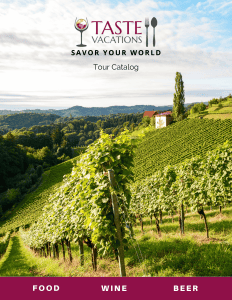
Wine + Travel can equal an unforgettable vacation. But organized wine tours can seem a bit intimidating for a variety of reasons. Some of those reasons are just misconceptions though…
Read More


You may have heard the term “dry farming” being thrown around in certain wine regions, but do you know what that actually means?
Dry farming is an agricultural technique that was developed in order to grow crops without using an irrigation system. This technique has been used in the Mediterranean for crops such as grapes and olives for thousands of years. And nowadays, it specifically refers to crop production during a dry season, utilizing the residual moisture in the soil from the rainy season or melted snow from winter.
Outside of the Mediterranean, there are vineyards in dryer parts of the U.S. that have opted to utilize the dry farming technique for two reasons: grape quality and water conservation. According to the California Ag Water Stewardship Initiative, dry farming is not a strategy for maximum yield, but rather it allows nature to dictate the true sustainability of agricultural production in a region. It allows the vines to establish a natural balance of root mass, leaves, and fruit. It also helps limit excessive sugars and extracted flavors, enabling the grapes to achieve full ripeness on their own.
 Since California’s water is being very closely managed, dry farming offers an economic and eco-friendly alternative to the typical irrigation techniques. According to Wine Spectator, dry farming can save as much as 16,000 gallons of water per acre per year which is not only saving the farmers money but helps with California’s drought situation.
But dry farming is not a technique that will be successful in every wine region. The right rootstock that can grow deep into the soil needs to be paired with the right mix of soil that can retain water well. The vines also need to spaced far enough away from each other so that they aren’t competing for the same water, cutting down on the number of vines that can fit within a plot of land.
But why should you care if a wine has been produced from dry farming or not? It is believed that dry farming yields better tasting, more nutritious products (grapes), therefore, lending itself to produce better quality and better-tasting wines, without alterations. The difference between irrigated and dry-farmed wines can be likened to eating a hot-house hydroponically grown tomato versus one that was grown our in a field – there is a considerable difference in taste!

We created Taste Vacations to celebrate the food, wine, and beer in premier vacation destinations around the globe. The unique food and drink experiences we instill into each tour ensures your vacation is interesting, educational, inspiring, and fun. To help provide some more details about our upcoming Spain Food & Wine Tour, recently hosted a 30-minute Q&A session with Jenny Siddall, our local Rioja guide, and Kris Keys, our tour operations manager who organized the tour.
In case you missed it, we’ve provided the recording below. If you have any questions about our Spain Food & Wine Tour, please feel free to leave them in the comments below or reach out via our Contact Us form.
Interested in our Basque Country & Rioja Spain Food & Wine Tour, but have questions?
Join us for a Q & A Session with Jenny Siddall, our local Rioja guide, and tour organizer, Kris Keys. They will be providing an overview of the tour and discussing Spanish food, wine, culture, and anything else you’re interesting in hearing more about.

Upon registering, we will send you the dial-in information to use on August 3rd. Hope you can join us!