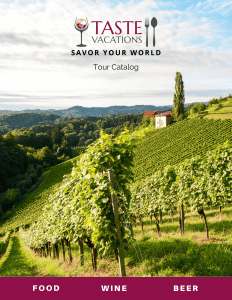
Welcome, wine enthusiasts and curious readers, to a journey through the lesser-known mysteries of the world of wine. Whether you’re a seasoned connoisseur or a casual sipper, prepare to uncover intriguing facts via this unusual wine trivia—hopefully it will deepen your appreciation and enjoyment of this beloved beverage.
1. The Science of Wine Legs
Have you ever noticed those streaks, or “legs,” that form on the inside of your wine glass after swirling? Contrary to popular belief, these legs do not indicate the quality or alcohol content of the wine. Instead, they are caused by the phenomenon known as the Marangoni effect, where differences in surface tension between water and alcohol create these patterns.
2. The Myth of Wine Diamonds
Ever heard of “wine diamonds”? These tiny crystals sometimes form in wine, particularly in white wines that have been chilled. They are harmless tartaric acid crystals that precipitate out of the wine when exposed to cold temperatures and do not affect the taste or quality of the wine. In fact, they are a sign of minimal processing and can indicate a well-crafted, natural wine.
3. The Oldest Bottle of Wine
The oldest bottle of wine dates back to around 325 AD and was discovered in a Roman sarcophagus in Germany. It is now housed in the Historical Museum of the Palatinate in Speyer, Germany.
4. Let’s Toast! Why?
The practice of toasting with wine dates back to ancient Rome, where clinking glasses together was believed to ward off evil spirits. Today, toasting is a common ritual during celebrations and social gatherings.
5. The Shape of the Glass Matters
The shape and size of a wine glass can significantly impact the aroma and taste of the wine. For example, a narrower rim concentrates the aromas, while a wider bowl allows for more aeration.
6. What does Terroir really refer to?
The term “terroir” refers to the combination of factors such as soil, climate, and topography that influence the character and quality of grapes grown in a specific region.
7. Wine in Japan
In Japan, there is a tradition of serving wine in a wooden box called a “masu” for special occasions. The masu is filled to the brim, symbolizing abundance and good fortune.
8. The Origins of “Sommelier”
The term “sommelier” originally referred to a servant responsible for transporting supplies, including wine, during medieval times. Today, it denotes a trained wine professional responsible for curating wine lists and advising patrons in restaurants.
9. Fermentation and Aroma
The aroma of a wine is influenced by a complex mixture of volatile compounds, including esters, aldehydes, and terpenes, which are produced during fermentation and aging.
10. Corking Your Bottle
The “cork” in a wine bottle is traditionally made from the bark of the cork oak tree (Quercus suber). Cork is a sustainable material harvested every nine years without harming the tree, making it an environmentally friendly choice for wine closures.
11. The Science Behind the Bottle Shape
The shape of a wine bottle, with its elongated neck and sloping shoulders, is said to have been designed to prevent sediment from pouring into the glass when decanting older wines.
Did you know all of these wine facts? Dig a little deeper by joining our Wine Vacations and expanding your knowledge with expert local guides.
Cheers to exploring the fascinating world of wine!