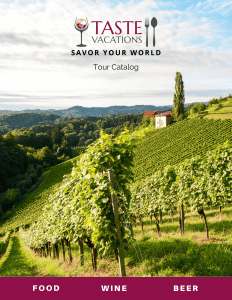
There’s something undeniably special about the food we eat while traveling. A simple meal can feel like the most exquisite dish you’ve ever tasted, and a glass of wine can seem richer and more complex than any bottle you’ve opened at home. But why is it that food tastes better on vacation? Is it just the setting, or is there a more comprehensive reason that this seems to always be true?
The answer lies in a mix of psychology, environment, and experience. Traveling enhances our senses, shifts our perspectives, and allows us to appreciate flavors in new and exciting ways. Whether you’re indulging in fresh seafood along the coast, sipping wine at a centuries-old vineyard, or savoring a homemade dish in a cozy family-run restaurant, food and drink become an essential part of the journey. Here are five reasons why food tastes better when you’re on vacation:
1. The Power of Place
Food is deeply connected to its surroundings. A glass of wine in Bordeaux, a plate of pasta in Italy, or learning how to make bowl Pasteis de Nata in Portugal doesn’t just taste better because it’s authentic—it tastes better because you’re immersed in the environment that created it.
Local ingredients are often fresher and sourced in their prime. The tomatoes in a Caprese salad in Sorrento taste sweeter because they were grown in the Italian sun and picked at peak ripeness. The seafood in a coastal town seems more vibrant because it was caught that morning. Eating in a setting that enhances the dish—whether it’s a vineyard, a bustling market, or a quiet countryside inn—adds to the overall experience and makes the flavors even more pronounced.
2. The Joy of Discovery
One of the greatest joys of travel is discovering new flavors and culinary traditions. When we step outside our comfort zones, we open ourselves up to regional specialties, unfamiliar ingredients, and cooking techniques that tell a story about a place.
Tasting something for the first time heightens our sensory experience. Trying Georgian khachapuri while overlooking a vineyard, enjoying a traditional pintxos crawl through San Sebastián, or indulging in a perfectly prepared steak in Argentina introduces us to the culinary soul of a destination. These new experiences create lasting memories and make food taste even better.
3. The Influence of a Relaxed Mindset
At home, meals are often rushed. Between work, responsibilities, and daily routines, we rarely take the time to truly savor our food. On vacation, that all changes. We slow down. We take in our surroundings. We appreciate each bite without distraction.
Studies show that when we’re relaxed, our perception of taste improves. Less stress allows us to focus on flavors, textures, and aromas. A simple croissant and coffee, enjoyed on a quiet morning at a sidewalk café, can feel like a moment of pure bliss. The act of being present and engaged in a meal enhances our enjoyment and makes food taste better.
4. The Social and Cultural Experience
Food is more than just sustenance—it’s an experience meant to be shared. Whether it’s an intimate dinner with fellow travelers, a guided wine tasting led by a passionate winemaker, or a communal feast at a local festival, the social element of food enhances our enjoyment.
When we travel, we have the opportunity to connect with locals, chefs, and artisans who share their culinary traditions with us. Learning the story behind the dish—where it comes from, how it’s made, and why it’s special—deepens our appreciation. A simple meal becomes extraordinary when it’s accompanied by stories, laughter, and cultural insight.
5. The Adventure Factor
Traveling pushes us to try things we might not normally eat at home. We step outside our comfort zones, take risks, and embrace the adventure of food. Whether it’s foraging for truffles in Italy, joining a hands-on cooking class in India to learn how to use those incredible spices, or sipping an unusual craft beer in Belgium, the excitement of new experiences heightens our senses and makes flavors more vivid.
We also tend to indulge more on vacation, allowing ourselves to enjoy rich flavors, multi-course meals, and leisurely dining experiences without guilt. This sense of freedom and adventure contributes to why food seems to taste better when we travel.
For those who love to travel for food, wine, and beer and agree that food tastes better on vacation, exploring destinations through guided culinary tours offers the ultimate opportunity to taste the world in a meaningful and unforgettable way (with someone else managing all the logistics and finding the hidden gems to discover). Whether it’s savoring wine in the rolling hills of Spain or indulging in farm-to-table dining in a hidden countryside retreat, the journey of food is one worth savoring. Discover how you can experience the best flavors the world has to offer.